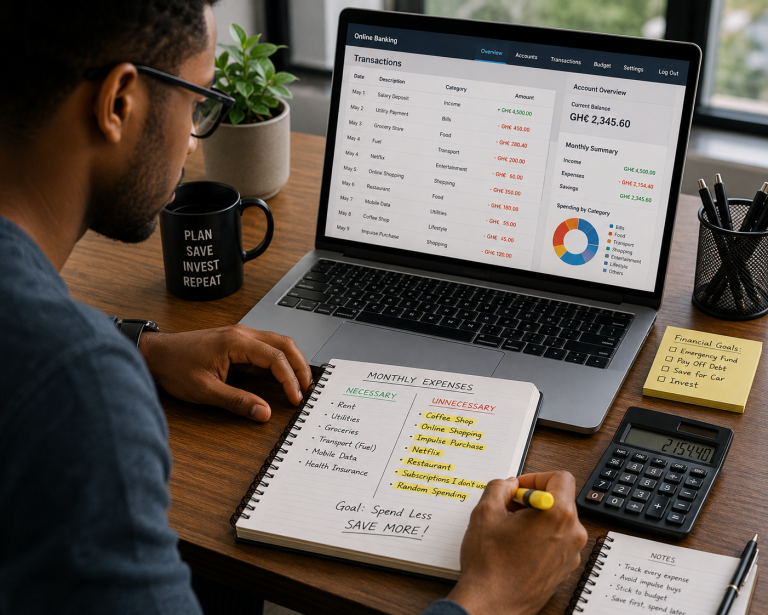
Financial stress is one of the heaviest burdens many people carry. It doesn’t just affect your bank account—it affects your sleep, relationships, and overall peace of mind. If you constantly worry about bills, debt, or how to make ends meet, you know how draining it can be. But here’s the truth: financial stress isn’t permanent. You can break free from it, step by step, and create a healthier, calmer relationship with your money. The first step is understanding what causes it and how small, consistent actions can make a big difference.
Breaking free from financial stress doesn’t mean suddenly becoming rich. It means regaining control, feeling confident about your money decisions, and slowly building a foundation that protects your peace. This guide is written in simple, practical language, using real-life examples and relatable advice so you can start making changes today.
What Financial Stress Really Is
Financial stress is more than worrying about money occasionally. It’s a constant tension, a feeling that your financial situation could spiral out of control at any moment. It’s the knot in your stomach when bills pile up, the sleepless nights thinking about debt, and the anxious feeling when your paycheck disappears before the month ends.
Experts define financial stress as the psychological and emotional strain caused by money problems. It can manifest as anxiety, irritability, or even physical symptoms like headaches or trouble sleeping. Studies from the American Psychological Association show that financial concerns are one of the top causes of stress for adults worldwide. Recognizing that financial stress is a real, measurable problem is the first step toward breaking free from it.
Common Triggers of Financial Stress
Understanding the sources of your financial stress helps you address it effectively. While triggers differ for everyone, some common causes include:
-
Living paycheck to paycheck with little or no savings.
-
Accumulating debt and struggling with repayments.
-
Lack of a clear budget or plan for spending.
-
Unpredictable income or irregular work schedules.
-
Pressure to maintain a lifestyle beyond your means.
These triggers are interconnected. For instance, a lack of savings can make even minor unexpected expenses feel overwhelming, which increases stress. By identifying your personal triggers, you can target them directly and reduce their impact.
Why Breaking Free Starts With Awareness
Breaking free from financial stress begins with awareness. Many people are stressed without realizing exactly why. They see money problems as external, like “I don’t earn enough,” but often the real issue is internal: spending habits, poor planning, or avoiding financial tracking.
By consciously reviewing your income, expenses, and debt, you regain control. Awareness allows you to make informed decisions rather than reacting emotionally. You start to understand the story of your money instead of feeling like it controls you.
The Role of Budgeting in Reducing Stress
Budgeting is often misunderstood. It’s not about restricting yourself or giving up enjoyment. Budgeting is a tool to reduce uncertainty and regain confidence. When you know where your money is going, you no longer feel blind or helpless.
A simple approach works best. Start with your essential expenses—rent, utilities, food—and then allocate funds for savings and discretionary spending. Seeing your money mapped out reduces fear and gives clarity, which is the antidote to stress.
How to Build an Emergency Fund
One of the most powerful ways to break free from financial stress is creating an emergency fund. This fund acts as a buffer, allowing you to handle unexpected expenses without panic.
Start small. Even saving $5 to $10 weekly can grow into a meaningful cushion over time. The key is consistency. Over months and years, your emergency fund becomes a safety net that protects your peace of mind and prevents financial stress from taking over your life.
Managing Debt Without Overwhelm
Debt is a common source of financial stress. The key to managing it is to approach it methodically rather than ignoring it or panicking.
List all debts with their interest rates and minimum payments. Focus on paying off the highest-interest debt first while maintaining minimum payments on others. This method reduces overall interest and gives a psychological win as you see debt decrease.
Debt management isn’t about depriving yourself; it’s about creating a plan that works. Even small progress each week reduces stress over time.
Changing Mindset Around Money

Financial stress often comes from our thoughts about money, not just the numbers. Many people carry guilt, shame, or fear about spending or saving. Changing your mindset is crucial.
Instead of thinking, “I’ll never get ahead,” start seeing money as a tool. Each decision, no matter how small, is a step toward control. Celebrate small victories, like paying a bill on time or saving a small amount. Over time, these positive reinforcements shift your mindset and reduce stress.
The Power of Simple Money Habits
Small habits create big changes. Simple daily and weekly practices build stability:
-
Track every expense to understand your spending patterns.
-
Set aside a small portion of your income for savings regularly.
-
Review bills and subscriptions to cut unnecessary costs.
-
Plan meals and shopping to avoid impulse spending.
Consistency beats perfection. Even tiny habits practiced weekly accumulate into meaningful financial security and lower stress.
Avoiding Comparison and Lifestyle Pressure
Financial stress is often worsened by comparing yourself to others. Social media can make it feel like everyone else is richer, smarter, or luckier. This comparison fuels anxiety and poor decisions.
Focus on your journey. Your goal is stability and peace, not keeping up with someone else’s lifestyle. Understanding this reduces the pressure to spend beyond your means.
Using Tools and Apps to Stay on Track
Technology can help reduce financial stress by increasing awareness and simplifying management. Budgeting apps, spending trackers, and reminders for bills can keep you organized.
For example, apps like Mint or YNAB allow you to see all accounts in one place and categorize spending. Mobile money services, common in Ghana and across Africa, also provide digital records, making tracking easier. These tools make your finances transparent and reduce mental load.
Seeking Support Without Shame
Financial stress doesn’t have to be faced alone. Talking with trusted friends, family, or financial advisors can provide perspective and solutions.
There is no shame in seeking guidance. Even small conversations can spark ideas, like debt consolidation, side income opportunities, or budgeting strategies. Support creates accountability and reduces the isolation that worsens stress.
Planning for Long-Term Stability
Breaking free from financial stress isn’t only about surviving the month. It’s about creating long-term stability.
Set clear, realistic financial goals. It could be building a savings cushion, paying off debt, or investing for the future. Break these goals into small, achievable steps. Progress toward long-term objectives brings confidence and reduces ongoing anxiety.
The Emotional Benefits of Financial Control
When you gain control over your money, the emotional benefits are enormous. Stress decreases, sleep improves, and confidence grows. You start feeling empowered instead of anxious. Your relationship with money shifts from fear to strategy, and this calm, proactive approach spreads into other areas of life.
Why Consistency is the Secret
The biggest difference between people who break free from financial stress and those who don’t is consistency. Regular reviews, small savings, disciplined budgeting, and mindful spending add up. One week alone won’t change your life, but repeated weeks build a solid foundation.
Consistency turns habits into automatic behavior. Over time, control over finances becomes natural, stress diminishes, and peace grows.
Conclusion
Breaking free from financial stress is not about instant wealth. It is about awareness, planning, small consistent habits, and mindset shifts. Weekly reviews, budgeting, debt management, and long-term planning create stability and confidence.
Financial stress loses its power when you understand your money, plan for the future, and take small, steady actions. Peace comes not from earning more, but from knowing exactly what your money is doing and making decisions that align with your goals.
Start today. Review your spending, plan your week, save a little, and make mindful choices. Step by step, your financial stress will loosen its grip, and you will regain control, confidence, and calm.