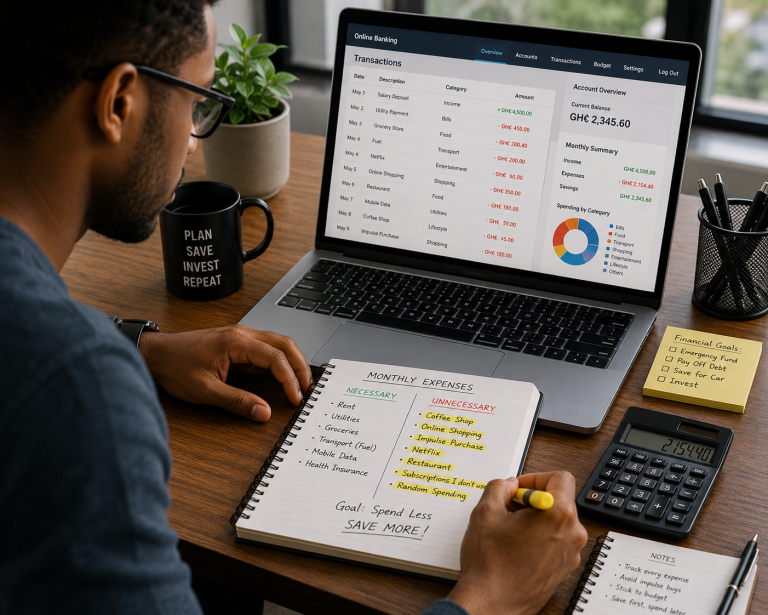

Handling money properly is one of the most important skills you can develop, yet it’s something many people struggle with. Whether you’re just starting out in your career or looking to improve your financial situation, understanding how to manage your money effectively is key to achieving your financial goals.
In this article, we’ll explore some practical and easy-to-follow tips to help you handle your money wisely.
Understanding Your Income and Expenses
The first step to handling money properly is understanding your income and expenses. It’s crucial to know how much money is coming in and how much is going out. This might sound simple, but many people overlook this basic step.
Track Your Income:
Start by tracking all sources of income, whether it’s your salary, freelance work, or any other earnings. Make sure you have a clear idea of your total monthly income.
Monitor Your Expenses:
Next, keep a close eye on your expenses. This includes everything from rent or mortgage payments, utilities, groceries, and transportation to smaller purchases like coffee or online subscriptions. It’s helpful to categorize your expenses so you can see where your money is going.
Create a Budget:
Once you have a clear picture of your income and expenses, it’s time to create a budget. A budget is essentially a plan for how you’ll spend your money each month. It helps you prioritize your spending and ensures that you’re not living beyond your means. Be realistic when setting your budget—allow for some flexibility, but make sure you’re putting enough money towards savings and essentials.
The Importance of Saving
Saving money is a critical part of handling your finances properly. It’s not just about setting aside cash for big purchases; it’s also about building a financial safety net for emergencies and future goals.
Start an Emergency Fund:
An emergency fund is money you set aside to cover unexpected expenses, like car repairs, medical bills, or job loss. Aim to save at least three to six months’ worth of living expenses in your emergency fund. Start small if you need to, but make it a priority to contribute to this fund regularly.
Save for the Future:
In addition to your emergency fund, consider saving for long-term goals like retirement, buying a home, or starting a business. The earlier you start saving, the more time your money has to grow through investments or interest.
Automate Your Savings:
One of the easiest ways to ensure you save consistently is to automate your savings. Set up automatic transfers from your checking account to your savings account each month. This way, you’re paying yourself first before you have a chance to spend that money elsewhere.
Managing Debt
Debt is a reality for many people, but it doesn’t have to control your life. Managing debt properly is essential for financial health.
Prioritize High-Interest Debt:
If you have multiple debts, focus on paying off high-interest debt first, like credit card debt. High-interest debt can quickly spiral out of control if you’re only making minimum payments. Paying it off as soon as possible will save you money in the long run.
Make Consistent Payments:
Whether it’s student loans, car loans, or a mortgage, make sure you’re making consistent, on-time payments. Late payments can lead to additional fees and damage your credit score, making it more difficult and expensive to borrow money in the future.
Consider Debt Consolidation:
If you’re struggling with multiple debts, debt consolidation might be an option. This involves combining all your debts into a single loan with a lower interest rate. It can simplify your payments and potentially save you money on interest.
Investing
Investing is a powerful way to grow your wealth over time. While it might seem intimidating at first, understanding the basics can help you get started.
Understand Your Risk Tolerance:
Before you start investing, it’s important to understand your risk tolerance. This refers to how much risk you’re willing to take on in your investments. Generally, the more risk you’re willing to take, the higher the potential return, but also the greater the chance of losing money.
Start with Simple Investments:
If you’re new to investing, start with simple, low-cost options like index funds or exchange-traded funds (ETFs). These funds invest in a broad range of stocks or bonds, providing diversification and reducing risk.
Invest Regularly:
One of the keys to successful investing is consistency. Consider setting up automatic contributions to your investment accounts. This strategy, known as dollar-cost averaging, allows you to invest a fixed amount regularly, regardless of market conditions.
Think Long-Term:
Investing is a long-term game. Don’t be discouraged by short-term market fluctuations. Stay focused on your long-term goals, and avoid making impulsive decisions based on market volatility.
Practicing Financial Discipline
Financial discipline is the foundation of good money management. It’s about making smart financial decisions, even when it’s difficult.
Avoid Impulse Purchases:
Impulse purchases can quickly derail your budget. Before buying something, ask yourself if it’s something you truly need or if it’s just a want. Waiting 24 hours before making a purchase can help you avoid unnecessary spending.
Stick to Your Budget:
Once you’ve created a budget, stick to it. This might mean making sacrifices, like eating out less or skipping that new gadget, but it’s worth it in the long run. Remember, your budget is there to help you achieve your financial goals.
Review Your Finances Regularly:
Regularly reviewing your finances can help you stay on track and make adjustments as needed. Set aside time each month to go over your income, expenses, and savings. This will help you catch any potential issues early and make informed decisions about your money.
Conclusion
Handling money properly is a skill that takes time and practice to develop, but it’s essential for achieving financial stability and peace of mind. By understanding your income and expenses, saving consistently, managing debt, investing wisely, and practicing financial discipline, you can take control of your finances and build a secure financial future.
Remember, the journey to financial health is a marathon, not a sprint. Take it one step at a time, and don’t be afraid to seek help or advice if you need it.
Sources for Further Research: