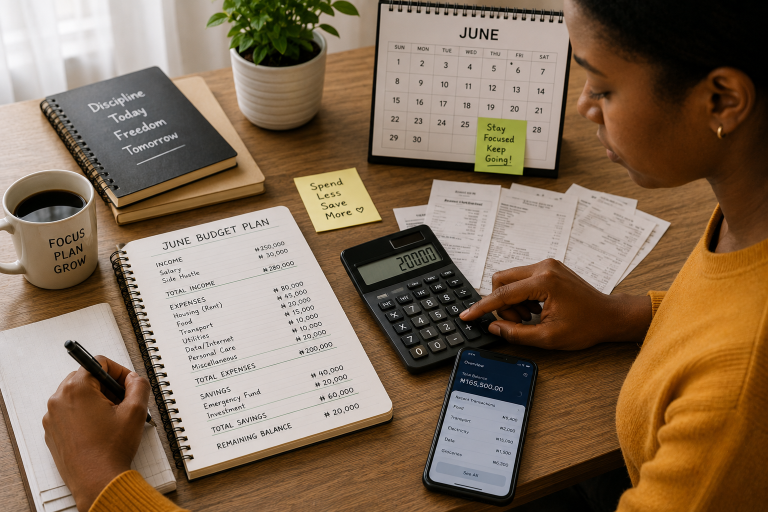

Money stress is one of the most common problems people face, yet very few people are ever taught how to manage money in a way that feels natural. Many financial tips online sound good but fail in real life because they are not designed for real people with busy schedules, emotions, and unexpected expenses.
This is why building a money routine matters more than following strict financial rules. A money routine is not about perfection. It is about having a simple, repeatable way of handling money that fits your lifestyle, income level, and personality.
When your money routine works for you, money stops feeling confusing and overwhelming. You know what to do, when to do it, and why you are doing it. Over time, this routine creates calm, confidence, and control.
This article will walk you through how to build a money routine that actually works for you, not someone else.
What a Money Routine Really Is
A money routine is the regular way you interact with your money. It includes how you receive income, how you spend, how you save, how you plan, and how you review your finances.
Unlike a budget that often feels rigid, a money routine is flexible. It adapts as your life changes. It becomes part of your daily or weekly life, just like brushing your teeth or checking your phone.
Financial psychologists explain that routines reduce decision fatigue. When you know what to do with money by default, you make fewer emotional or impulsive choices.
Why Most People Struggle With Money Management
Many people struggle with money not because they are careless, but because they lack a clear system. Without a routine, money decisions happen randomly.
Random decisions often lead to overspending, forgotten bills, late payments, and stress. Over time, this creates frustration and guilt around money.
Research from behavioral finance shows that people do better financially when they follow simple systems rather than relying on willpower alone. A money routine replaces stress with structure.
Why One-Size-Fits-All Advice Fails
Most financial advice online assumes everyone has the same income, responsibilities, and goals. This is not realistic.
Some people earn weekly, others monthly. Some support families, others live alone. Some prefer digital tools, others like cash. A money routine must fit your reality.
When a routine does not match your life, it becomes hard to maintain. The best money routine is the one you can stick to, not the one that looks impressive.
Understanding Your Money Personality
Before building a money routine, it helps to understand how you naturally relate to money. Some people are planners. Others are spontaneous. Some avoid looking at money altogether.
Your personality affects how you manage money. A routine that ignores this will feel uncomfortable and fail quickly.
Studies in financial behavior show that aligning money systems with personality increases consistency and success.
Why Simplicity Is the Secret to a Strong Money Routine
Complex systems often collapse under pressure. Simplicity lasts.
A simple money routine is easier to remember, easier to follow, and easier to adjust. It does not require constant tracking or advanced tools.
Financial experts agree that simplicity is one of the strongest predictors of long-term financial success.
How Awareness Forms the Foundation of Your Money Routine
Awareness means knowing roughly how much comes in and how much goes out. You do not need perfect numbers. You need clarity.
Without awareness, money disappears without explanation. With awareness, you gain control.
This awareness becomes the first daily habit in your money routine.
Why Consistent Check-Ins Matter More Than Perfect Tracking
Many people quit budgeting because they try to track every detail. This becomes tiring.
A working money routine focuses on regular check-ins instead. Checking your money weekly or daily builds familiarity.
According to financial coaching research, frequent simple check-ins improve financial confidence more than detailed monthly reviews.
How to Choose the Right Frequency for Your Routine
Your money routine should match your income flow. If you earn daily or weekly, short frequent check-ins work best. If you earn monthly, weekly reviews may be enough.
The goal is consistency, not frequency. A routine only works if it fits naturally into your life.
Why Paying Yourself First Strengthens Your Routine
Paying yourself first means setting aside savings before spending on other things. This habit builds protection into your routine.
When savings happen automatically, spending adjusts naturally. This reduces financial stress.
Financial studies consistently show that people who automate savings save more over time.
How Spending Rules Reduce Mental Stress
Spending rules remove guesswork. They define how you spend without needing daily decisions.
For example, having a limit for daily spending or entertainment creates structure. This structure supports your money routine.
Decision fatigue research shows that fewer daily decisions lead to better outcomes.
Why Flexibility Keeps Your Money Routine Alive
Life changes. Income changes. Expenses change. A money routine must adapt.
Rigid systems break under pressure. Flexible routines bend and survive.
Financial resilience depends on adaptability, not strict control.
How Planning Ahead Reduces Financial Anxiety
Planning is not about predicting everything. It is about being prepared.
When your routine includes simple planning, surprises feel less overwhelming.
Studies from the American Psychological Association link financial planning with reduced anxiety and improved mental health.
Why Emergency Funds Are Part of Every Good Money Routine
An emergency fund protects your routine from collapsing during unexpected events.
Even a small buffer prevents panic decisions and borrowing.
The Federal Reserve reports that households with emergency savings handle financial shocks better.
How Automation Supports Consistency
Automation removes effort. Automatic transfers, bill payments, and reminders support your routine without daily effort.
Automation reduces missed payments and impulse spending.
Technology has made automation one of the strongest tools for maintaining a money routine.
Why Reviewing Your Money Builds Confidence
Reviewing your money regularly builds trust in yourself. You see progress, patterns, and areas for improvement.
This feedback strengthens your routine.
Behavioral studies show that feedback loops improve habit formation.
How to Adjust Your Money Routine Without Giving Up
If your routine stops working, it does not mean you failed. It means your life changed.
Adjusting is part of the process. Successful people revise routines instead of abandoning them.
Financial success comes from persistence, not perfection.
Why Guilt-Free Spending Matters
A money routine should include enjoyment. Removing guilt from planned spending prevents binge spending later.
Psychological research shows that deprivation often leads to overspending.
Balanced routines support both discipline and enjoyment.
How Emotional Awareness Improves Money Decisions
Money decisions are emotional. Stress, excitement, fear, and comparison influence spending.
A good money routine includes awareness of emotional triggers.
Financial therapists emphasize emotional awareness as a key factor in healthy money habits.
Why Comparing Yourself to Others Breaks Your Routine
Comparison creates pressure to spend beyond your plan. This weakens your routine.
Social media often shows highlights, not reality.
Research in consumer psychology links comparison to increased debt and dissatisfaction.
How Small Wins Strengthen Your Money Routine
Every positive action reinforces your routine. Saving a little, staying within limits, or reviewing accounts all count.
Small wins build momentum.
Habit research shows that success reinforces identity and consistency.
Why Identity Matters in Money Management
When you see yourself as someone who manages money well, behavior follows.
Your routine shapes your identity, and identity strengthens your routine.
Identity-based habits last longer than rule-based habits.
How a Money Routine Supports Long-Term Goals
Goals need systems to succeed. A money routine turns goals into daily actions.
Without a routine, goals stay theoretical.
Financial planning research shows that systems outperform motivation.
Why Peace Is a Better Goal Than Perfection
Perfection creates pressure. Peace creates progress.
A working money routine gives peace even when things are not perfect.
Financial well-being is more about stability than precision.
How to Stay Consistent During Low Motivation
Motivation fades. Habits remain.
A money routine carries you through low-energy periods.
Behavioral science confirms that routines outperform motivation over time.
Why Your Money Routine Should Grow With You
As income increases or responsibilities change, your routine should evolve.
Growth without structure often leads to lifestyle inflation.
A flexible routine supports growth without losing control.
The Long-Term Impact of a Good Money Routine
Over time, a money routine builds savings, reduces stress, and improves confidence.
Small daily actions compound into financial stability.
Long-term studies show that consistent habits predict financial success more than income level.
Why Building a Money Routine Is an Act of Self-Respect
Managing money intentionally shows respect for your future self.
It reduces anxiety and increases freedom.
Self-respect influences financial behavior more than discipline alone.
Conclusion
Building a money routine that works for you is not about copying someone else’s system. It is about creating simple, consistent habits that fit your life, personality, and income.
A good money routine reduces stress, improves confidence, and gives you control over your financial future. It adapts as life changes and supports you during challenges.
Start small. Keep it simple. Stay consistent. Over time, your money routine will become a powerful tool that works quietly in the background, helping you build the life you want.