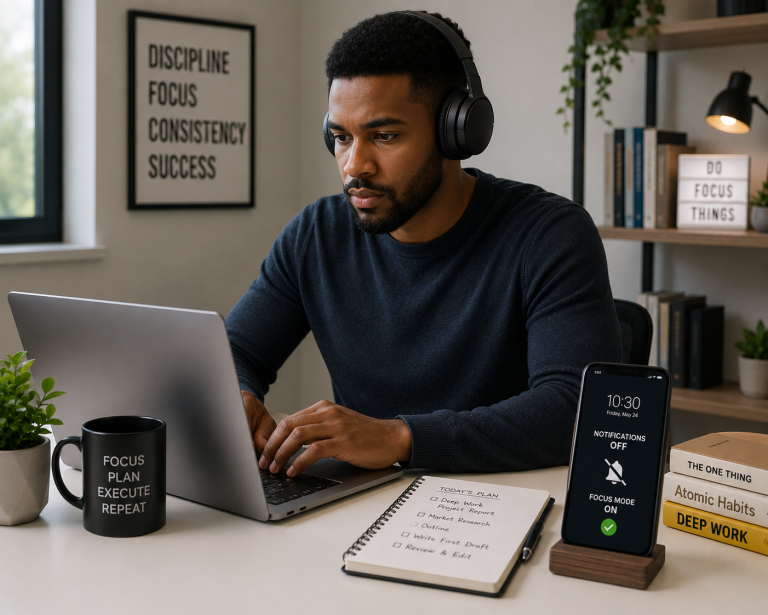

How to build confidence in your self , one of the most powerful qualities a person can develop.
It influences how you think, how you communicate, how you handle challenges, and how you pursue opportunities. Confident people are more likely to apply for jobs, start businesses, speak up in meetings, build relationships, and chase their goals.
However, confidence is often misunderstood.
Many people believe confidence is something you are born with. They assume that confident people have always felt fearless, outgoing, and self-assured. The reality is very different.
Confidence is not something people are born with. It is something they build.
Even the most successful people have experienced self-doubt, fear, insecurity, and uncertainty. What separates them from others is not the absence of fear but their willingness to act despite it.
If you sometimes doubt yourself or struggle with self-confidence, you are not alone. The good news is that confidence can be developed through daily habits and intentional actions.
What Is Self-Confidence?
Self-confidence is the belief that you can handle situations, overcome challenges, and achieve goals.
It does not mean believing you are perfect.
Confident people understand that:
- They will make mistakes.
- They do not know everything.
- They will face challenges.
- They can continue learning and improving.
True confidence comes from trusting your ability to grow, adapt, and move forward.
It is not arrogance.
It is self-belief.
Understand That Confidence Comes From Action
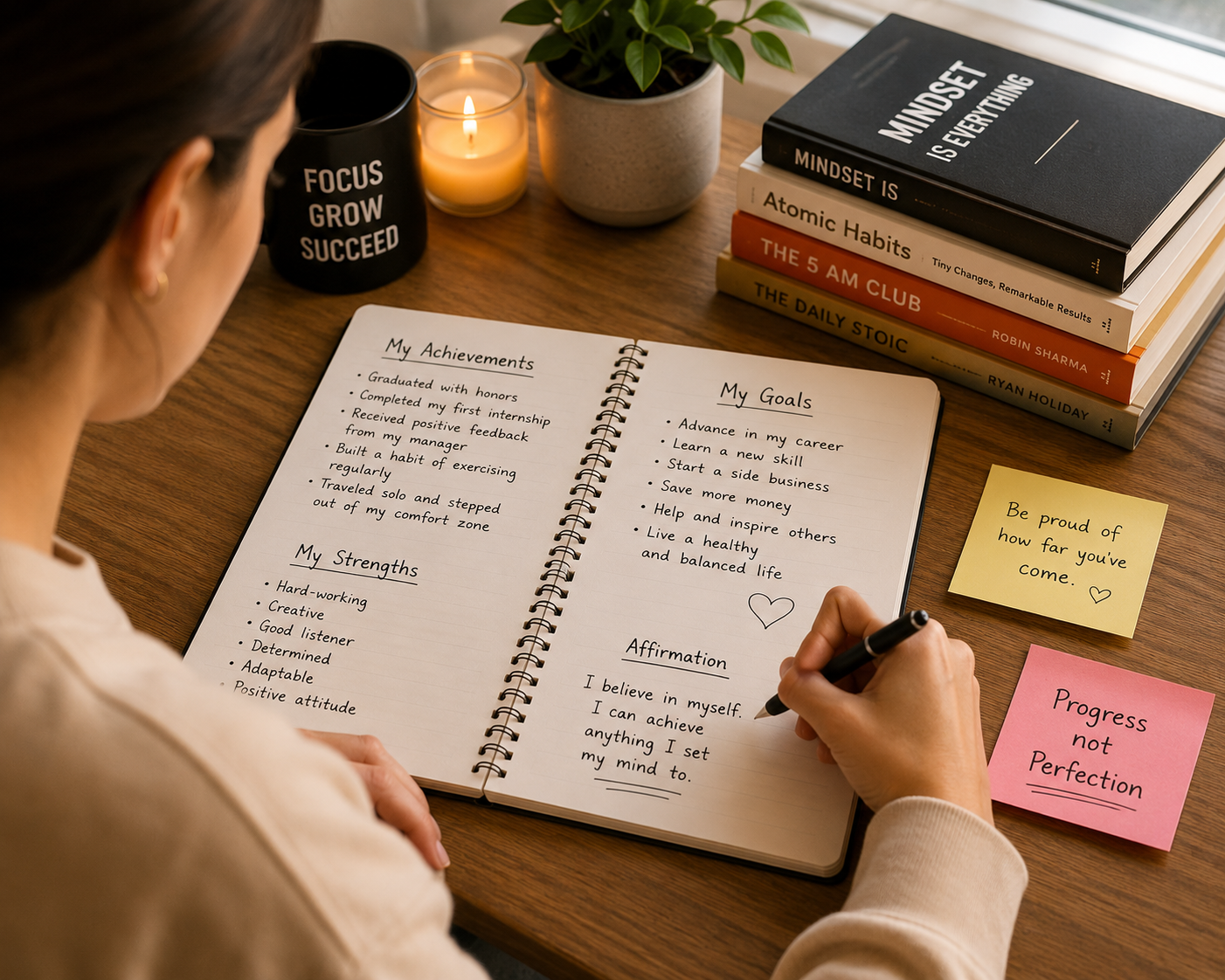
One of the biggest myths about confidence is that you need confidence before taking action.
In reality, confidence often comes after action.
Many people wait until they feel confident before:
- Applying for jobs
- Starting a business
- Speaking in public
- Learning a new skill
- Pursuing opportunities
Unfortunately, confidence rarely appears first.
Action creates confidence.
Every time you do something challenging, you prove to yourself that you are capable.
The more experiences you gain, the more confidence you build.
Keep Promises to Yourself
Confidence grows when you trust yourself.
One way to build self-trust is by keeping promises you make to yourself.
For example:
- Wake up when you say you will.
- Complete important tasks.
- Follow your workout plan.
- Stick to your study schedule.
- Save money consistently.
Every time you follow through on a commitment, you strengthen your belief in yourself.
Small victories create strong confidence over time.
Focus on Your Strengths
Many people spend too much time focusing on weaknesses.
While improvement is important, constantly criticizing yourself can damage confidence.
Take time to recognize your strengths.
Ask yourself:
- What am I good at?
- What skills have I developed?
- What challenges have I overcome?
- What do people appreciate about me?
Your strengths are evidence that you already possess valuable abilities.
Confidence grows when you acknowledge what you are doing well.
Stop Comparing Yourself to Others
Comparison is one of the fastest ways to destroy confidence.
Social media makes this problem even worse.
People often compare their real lives to someone else’s highlight reel.
You may see:
- Promotions
- Expensive lifestyles
- Business success
- Travel experiences
- Achievements
What you usually do not see are:
- Failures
- Struggles
- Rejections
- Doubts
- Difficult moments
Everyone is on a different journey.
Instead of comparing yourself to others, compare yourself to the person you were six months or a year ago.
Focus on your own progress.
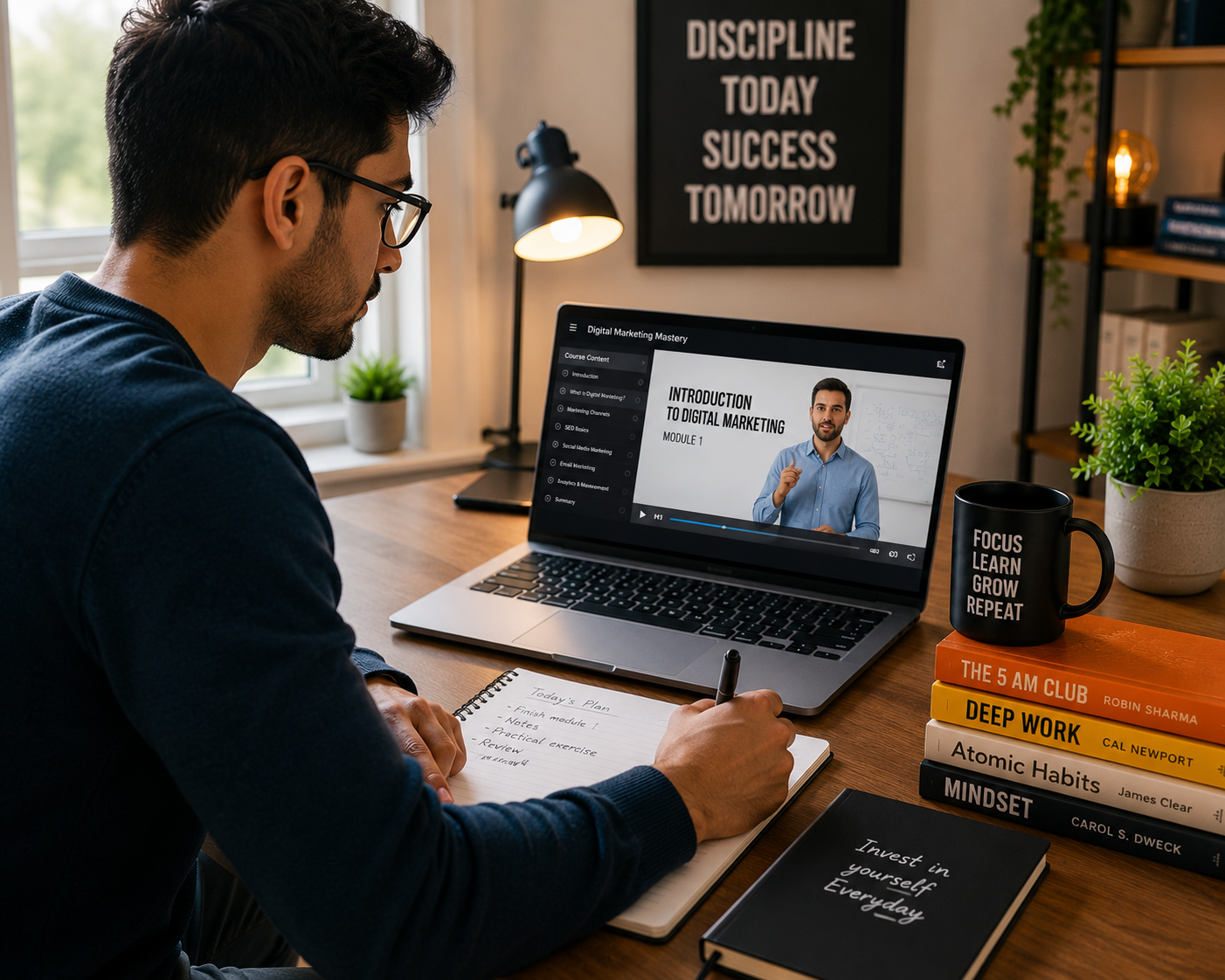
Improve Your Skills
Confidence naturally increases when competence increases.
The more skilled you become, the more confident you feel.
Invest in yourself through:
- Reading
- Online courses
- Workshops
- Practice
- Certifications
- Mentorship
If you want confidence in your career, improve your professional skills.
If you want confidence in business, learn business skills.
If you want confidence in communication, practice speaking.
Competence creates confidence.
Take Care of Your Physical Health
Physical health can significantly influence confidence.
Simple habits can improve how you feel about yourself:
- Exercise regularly
- Eat nutritious foods
- Stay hydrated
- Get enough sleep
- Maintain good hygiene
When you feel physically strong and healthy, you often feel more confident mentally as well.
Self-care sends a message that you value yourself.
Change Negative Self-Talk
Pay attention to the way you speak to yourself.
Many people say things such as:
- “I’m not good enough.”
- “I always fail.”
- “I can’t do this.”
- “I’m not smart enough.”
Over time, these thoughts affect confidence.
Instead, practice realistic and encouraging self-talk:
- “I can learn this.”
- “I have overcome challenges before.”
- “I am improving every day.”
- “I am capable of growth.”
The goal is not to pretend everything is perfect.
The goal is to speak to yourself with the same kindness you would offer a friend.
Step Outside Your Comfort Zone
Confidence grows when you challenge yourself.
Every time you face a fear, you expand your comfort zone.
Examples include:
- Speaking in public
- Meeting new people
- Learning a new skill
- Applying for a new job
- Starting a side business
- Taking leadership responsibilities
The first attempt may feel uncomfortable.
That is normal.
Growth often happens outside your comfort zone.
Learn From Failure
Fear of failure prevents many people from building confidence.
They avoid risks because they want to avoid mistakes.
However, failure is a normal part of growth.
Every successful person has experienced setbacks.
Instead of viewing failure as proof that you are incapable, view it as feedback.
Ask:
- What can I learn?
- What can I improve?
- What should I do differently next time?
Learning from mistakes helps build resilience and confidence.
Surround Yourself With Positive People
The people around you influence your mindset.
Spend time with individuals who:
- Encourage you
- Support your goals
- Inspire growth
- Provide constructive feedback
Avoid people who constantly criticize, discourage, or undermine your efforts.
Positive relationships can strengthen confidence and motivation.
Celebrate Small Wins
Many people only celebrate major achievements.
However, confidence is often built through small victories.
Celebrate:
- Completing a task
- Learning a new skill
- Reaching a milestone
- Overcoming a fear
- Staying consistent
Recognizing progress helps reinforce positive behavior and strengthens self-belief.
Improve Your Body Language

Your posture and body language affect both how others see you and how you feel about yourself.
Simple adjustments include:
- Standing tall
- Maintaining eye contact
- Smiling naturally
- Speaking clearly
- Avoiding closed body language
Confident body language can influence your mindset and improve first impressions.
Be Patient With Yourself
Building confidence is a process.
It does not happen overnight.
Some days you will feel strong and capable.
Other days you may experience doubt.
That is normal.
Confidence grows through repeated action, learning, and experience over time.
Focus on progress rather than perfection.
Signs Your Confidence Is Growing
You may notice:
- Greater willingness to take action
- Reduced fear of mistakes
- Better communication
- Improved decision-making
- Increased resilience
- Stronger self-belief
- Greater independence
- More willingness to pursue opportunities
These changes often develop gradually.
Trust the process.
Final Thoughts
Building confidence in yourself is one of the most valuable investments you can make.
Confidence does not come from being perfect. It comes from taking action, developing skills, learning from mistakes, and proving to yourself that you can handle challenges.
Start small. Keep promises to yourself. Focus on growth. Improve your skills. Step outside your comfort zone. Celebrate progress.
Remember that confidence is not something you find.
It is something you build.
And every positive action you take today helps create a more confident version of yourself tomorrow.