
How to Prepare for a Job Interview. It means an employer has reviewed your application and believes you may have the qualifications, skills, or potential they are looking for.
However, receiving an interview invitation is only the first step. What happens during the interview often determines whether you get the job or not.
Many qualified candidates miss opportunities because they fail to prepare properly. They assume their education, experience, or CV will speak for itself. Unfortunately, interviews are about more than qualifications. Employers want to see how you communicate, solve problems, present yourself, and fit into their organization.
The good news is that interview preparation is a skill that can be learned and improved. The more prepared you are, the more confident and professional you will appear.
This guide will help you prepare effectively for your next job interview and improve your chances of success.
Why Interview Preparation Matters
An interview gives employers the opportunity to evaluate more than what is written on your CV.
They want to know:
- Who you are
- How you communicate
- Whether you understand the role
- How you solve problems
- How you handle pressure
- Whether you will fit into the organization
Preparation helps you answer questions confidently and avoid common mistakes.
It also reduces nervousness because you already have a good understanding of what to expect.
When you prepare well, you enter the interview feeling more focused, confident, and ready to perform at your best.
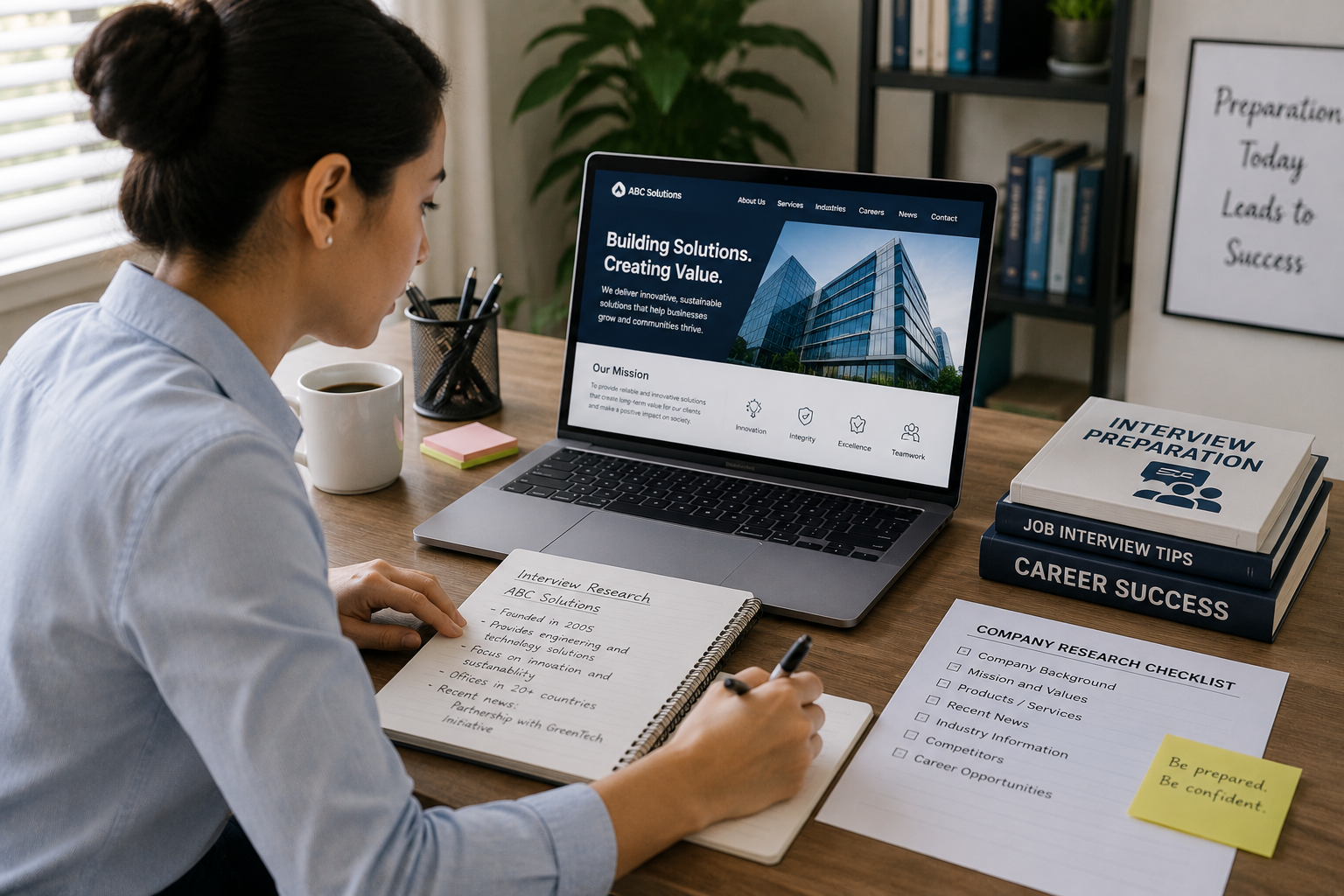
Research the Company
One of the biggest mistakes candidates make is attending interviews without learning anything about the company.
Before your interview, spend time researching the organization.
Find out:
- What the company does
- Its products or services
- Its mission and values
- Its target customers
- Recent achievements or news
- The industry it operates in
This information can often be found on the company’s website, social media pages, and professional profiles.
When employers see that you understand their business, it demonstrates genuine interest and professionalism.
Research also helps you answer questions more effectively because you can connect your skills and experience to the company’s needs.
Understand the Job Description
Carefully review the job advertisement before your interview.
Pay close attention to:
- Required qualifications
- Responsibilities
- Skills
- Experience
- Expectations
Ask yourself:
Why am I a good fit for this role?
Identify examples from your education, work experience, volunteer activities, internships, or projects that demonstrate your ability to perform the duties listed.
Many interview questions are based directly on the job description, so understanding it gives you a significant advantage.
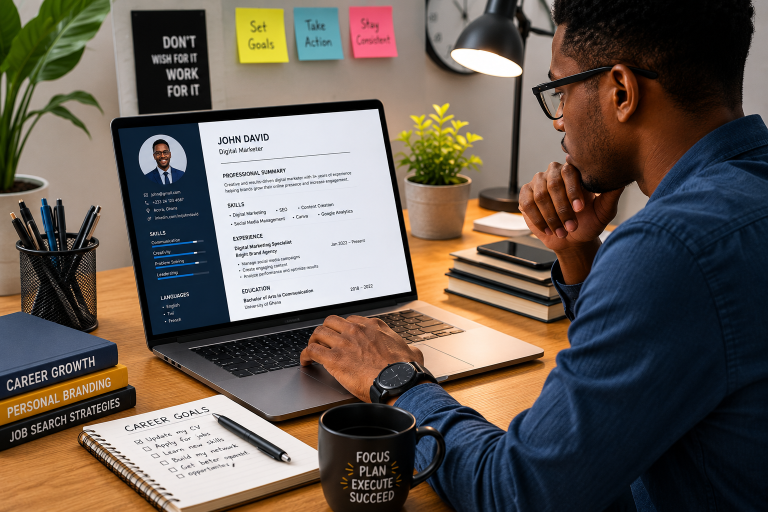
Review Your CV Thoroughly
Many candidates submit a CV and then forget what they wrote.
Before your interview, carefully review your CV.
Be prepared to discuss:
- Your education
- Work experience
- Skills
- Certifications
- Achievements
- Career goals
Interviewers often ask questions based on information listed in your CV.
If you cannot confidently explain your own experience, it may create a negative impression.
Know your CV well and be ready to expand on every important point.
Prepare for Common Interview Questions
While every interview is different, certain questions appear frequently.
Some examples include:
Tell Us About Yourself
This is often the first question.
Focus on:
- Your professional background
- Relevant experience
- Key strengths
- Career goals
Keep your answer professional and concise.
Why Do You Want This Job?
Employers want to know what attracted you to the position.
Explain:
- What interests you about the role
- Why the company appeals to you
- How the opportunity aligns with your career goals
What Are Your Strengths?
Choose strengths relevant to the job.
Examples include:
- Communication
- Teamwork
- Problem-solving
- Leadership
- Time management
- Organization
Support your answer with examples.
What Are Your Weaknesses?
Be honest but strategic.
Choose a genuine area for improvement and explain how you are working to improve it.
Why Should We Hire You?
This question allows you to summarize your value.
Highlight:
- Relevant skills
- Experience
- Work ethic
- Enthusiasm
- Ability to contribute
Practice your responses beforehand so they sound natural rather than memorized.
Prepare Examples of Your Achievements
Interviewers often want proof of your abilities.
Think about situations where you:
- Solved a problem
- Improved a process
- Led a project
- Helped a team succeed
- Handled a challenge
- Achieved a goal
Use real examples whenever possible.
Stories make your answers more convincing and memorable.
Even students or recent graduates can use examples from school projects, internships, volunteer work, or leadership activities.

Practice Your Communication Skills
Good communication can significantly improve interview performance.
Practice speaking clearly and confidently.
Pay attention to:
- Eye contact
- Tone of voice
- Body language
- Listening skills
- Professional language
Avoid speaking too quickly or giving overly long answers.
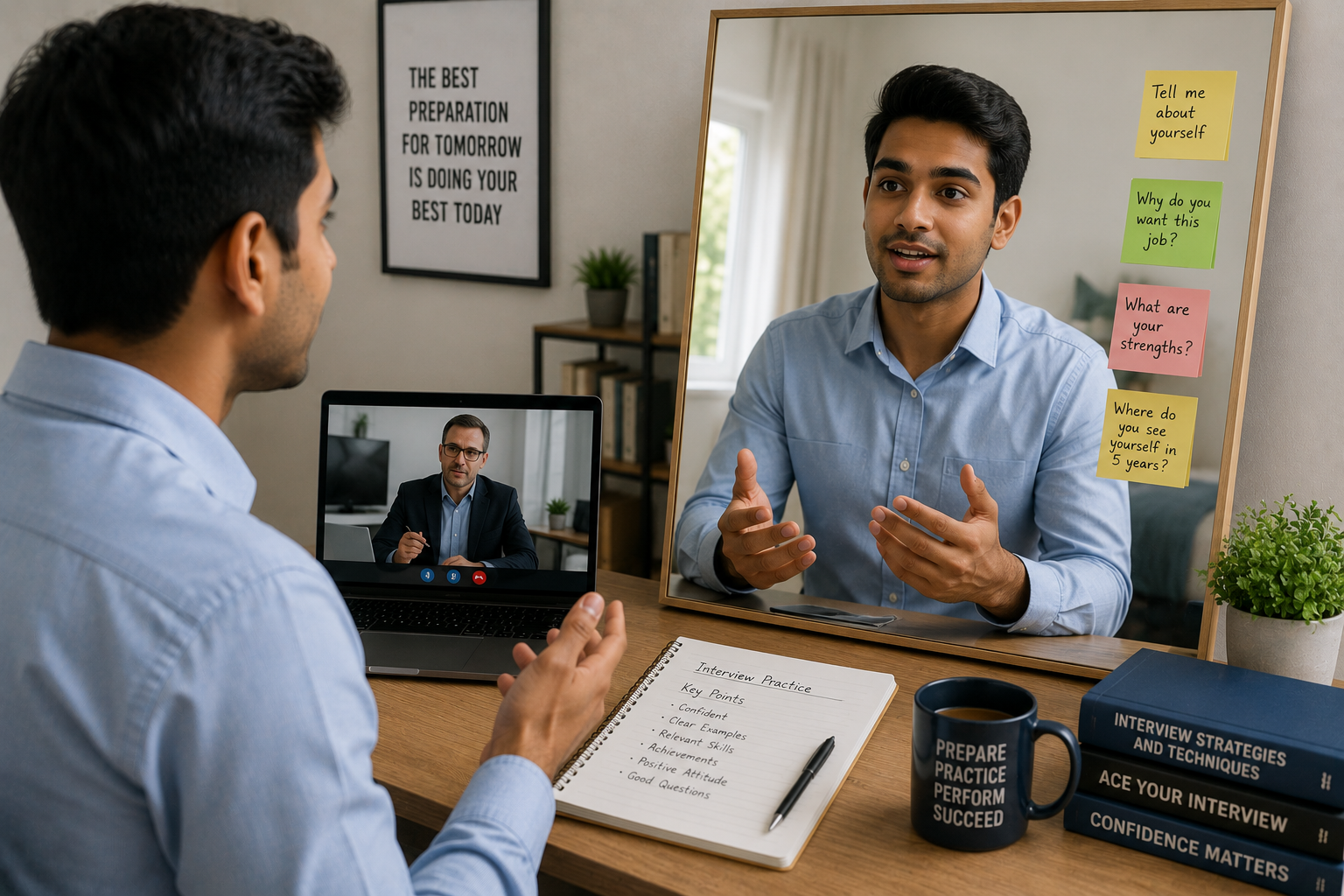
Practice answering questions with a friend, mentor, family member, or even in front of a mirror.
The goal is not perfection but confidence.
Dress Professionally
Your appearance contributes to first impressions.
Choose clothing that is:
- Clean
- Neat
- Professional
- Appropriate for the industry
You do not always need expensive clothing, but you should look presentable and professional.
Pay attention to grooming, shoes, and overall appearance.
When in doubt, it is usually better to be slightly overdressed than underdressed.
Arrive Early
Punctuality demonstrates professionalism and respect.
Plan your journey in advance.
Consider:
- Traffic
- Transportation delays
- Parking
- Directions
Aim to arrive at least 10 to 15 minutes early.
If the interview is online, test your:
- Internet connection
- Camera
- Microphone
- Meeting software
Technical problems can create unnecessary stress if left until the last minute.
Prepare Questions to Ask the Interviewer
Many interviews end with:
“Do you have any questions for us?”
Always prepare a few thoughtful questions.
Examples include:
- What does success look like in this role?
- What are the biggest challenges facing the team?
- What opportunities exist for professional development?
- What are the next steps in the recruitment process?
Good questions show interest and engagement.
Avoid asking questions that could easily be answered through basic research.
Manage Interview Nerves
Feeling nervous before an interview is normal.
Even experienced professionals feel nervous occasionally.
To manage anxiety:
- Prepare thoroughly
- Practice beforehand
- Get enough rest
- Arrive early
- Take deep breaths
- Focus on the conversation rather than perfection
Remember that the interview is not an interrogation.
It is a conversation where both you and the employer are trying to determine whether there is a good fit.
Confidence grows through preparation.
Avoid Common Interview Mistakes
Some common mistakes include:
- Arriving late
- Speaking negatively about previous employers
- Giving vague answers
- Interrupting the interviewer
- Failing to research the company
- Using unprofessional language
- Appearing uninterested
- Providing dishonest information
Avoiding these mistakes can significantly improve your chances of success.
Follow Up After the Interview
After the interview, take time to reflect.
Ask yourself:
- What went well?
- What could be improved?
- Which questions were difficult?
If appropriate, send a brief thank-you message expressing appreciation for the opportunity.
Professional follow-up can leave a positive impression.
Even if you do not get the job, every interview provides valuable experience that can help you perform better next time.
Final Thoughts
Preparing for a job interview is one of the most important steps in the job search process.
The more prepared you are, the more confident, professional, and convincing you will appear.
Research the company, understand the role, review your CV, practice common questions, prepare examples of your achievements, and present yourself professionally.
Remember that successful interviews are not about having perfect answers. They are about demonstrating your value, communicating clearly, and showing genuine interest in the opportunity.
Every interview is a chance to learn, improve, and move closer to your career goals.