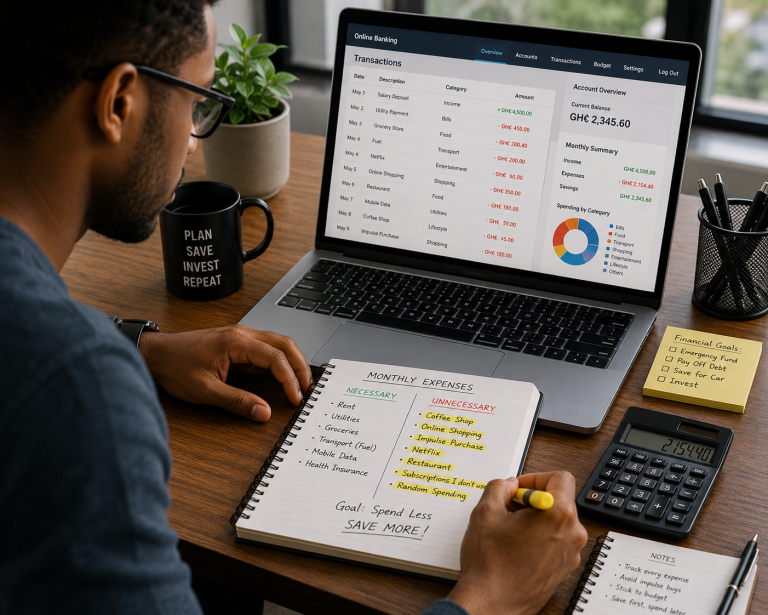

Running a business is never easy, but managing a business during hard economic times in Ghana can feel especially overwhelming. Inflation, fluctuating currency values, rising costs, and unpredictable consumer behavior create challenges that can quickly strain your resources. Entrepreneurs often ask: How can I keep my business afloat, protect my income, and continue growing when the economy is tough?
The answer lies in learning how to manage your business with discipline, planning, and adaptability. Businesses that survive and thrive during economic difficulties do not rely on luck—they focus on smart financial management, customer understanding, and strategic decision-making. In this article, we will explore practical strategies for managing your business when the economy is hard, helping you navigate challenges while preparing for growth.
Understanding the Economic Environment
The first step in managing your business during economic hardship is understanding the environment. Economic difficulties affect every aspect of your business: costs of goods, supply chains, consumer spending, and access to credit.
In Ghana, rising food and fuel prices, fluctuations in the cedi, and changes in government policy can influence both operating costs and consumer behavior. Being aware of these factors helps you anticipate challenges and make informed decisions. A business that understands its environment can adjust prices, plan inventory, and adapt marketing strategies effectively.
Focus on Cash Flow Management
Cash flow is the lifeblood of any business, but it becomes even more critical during tough economic times. Many businesses fail not because they are unprofitable, but because they run out of cash.
To manage your business effectively, monitor cash inflows and outflows closely. Know when money is coming in, when bills are due, and how much cash is available for operations. Prioritize essential expenses, defer non-critical spending, and avoid unnecessary borrowing that could increase financial strain. Maintaining a clear picture of cash flow ensures your business can survive lean periods.
Cut Unnecessary Costs
During economic hardship, every cedi counts. A careful review of expenses helps identify areas where you can reduce costs without harming the quality of your products or services.
For example, consider renegotiating rent, reducing utility usage, or switching to more cost-effective suppliers. In Ghana, small business owners who evaluate each expense and look for ways to cut costs often find significant savings. It’s about making every expense count toward keeping your business stable and efficient.
Diversify Revenue Streams
Businesses that rely on a single source of income are particularly vulnerable during tough times. Diversifying revenue streams can protect your business and provide more stability.
In Ghana, small businesses may add complementary products or services, explore online sales channels, or partner with other businesses to offer bundled packages. Diversifying allows you to reach new customers, reduce dependency on one market segment, and maintain steady income even when one part of the business faces challenges.
Keep Your Customers Engaged
During economic downturns, consumers often become more cautious with spending. Managing your business successfully requires maintaining strong relationships with your customers.
Offer value, provide excellent service, and stay in regular contact through social media, WhatsApp, or email. Understanding customer needs and adjusting your products, prices, or services accordingly keeps them loyal. In Ghanaian markets, personalized service and trust are critical factors that influence purchasing decisions, even during tough times.
Adjust Pricing Strategically
Rising costs may force you to consider increasing prices, but this must be done carefully. Sudden or steep price hikes can drive customers away.
To manage your business wisely, evaluate costs, competitors’ pricing, and what your customers are willing to pay. Small, strategic adjustments, bundling products, or offering flexible payment options can help you maintain revenue without alienating customers. In Ghana, creative pricing strategies often help businesses retain sales even when the economy is challenging.
Strengthen Supplier Relationships
Reliable suppliers are essential when the economy is tough. Delays, shortages, or rising costs can disrupt operations and hurt profitability.
Building strong relationships with suppliers allows for better negotiation, flexible payment terms, and priority access to stock. Ghanaian entrepreneurs who maintain trust and open communication with suppliers often gain advantages that protect their businesses during economic downturns.
Use Technology to Reduce Costs and Improve Efficiency
Technology can play a vital role in managing your business during tough economic times. Accounting software, mobile money solutions, and inventory management tools help monitor cash flow, reduce errors, and improve decision-making.
For example, a small retailer in Accra can track sales digitally, manage stock efficiently, and identify fast-moving products, allowing for smarter purchases. In Ghana, embracing technology—even simple mobile apps—can save time, reduce costs, and keep your business organized.
Maintain Flexibility and Adaptability
The ability to adapt is crucial when the economy is unpredictable. Businesses that stick rigidly to old methods may struggle, while flexible businesses can pivot to meet changing demands.
In Ghana, this could mean adjusting your product range, changing marketing strategies, or offering promotions to match customer spending habits. Regularly reviewing performance and being willing to make changes keeps your business relevant and resilient, even in challenging economic times.
Focus on High-Impact Activities
When resources are limited, it’s important to prioritize activities that have the highest impact on revenue and growth. Marketing, customer retention, and efficient operations often deliver better returns than spending on low-value activities.
Small business owners in Ghana who focus on high-impact tasks conserve resources and increase productivity, ensuring that their business money is used where it matters most. This approach helps businesses survive and even thrive during hard times.
Build a Reserve Fund
Even during hard times, setting aside a small reserve fund can provide a safety net for emergencies. Unexpected expenses, sudden market changes, or urgent repairs can occur at any time, and having a financial cushion allows your business to navigate them without panic.
Ghanaian entrepreneurs who maintain a reserve fund are better equipped to handle economic fluctuations and keep operations running smoothly. It’s a small effort that provides long-term security and peace of mind.
Monitor Performance and Learn From Data
Regular monitoring of business performance helps you understand what is working and what isn’t. Track sales, expenses, and customer behavior to make informed decisions.
In Ghana, small businesses that use simple data tracking, even with spreadsheets or mobile apps, can spot trends early, respond to challenges, and allocate resources more effectively. This habit improves resilience and ensures that your business can adapt quickly when the economy changes.
Stay Positive and Maintain Leadership
Managing a business during tough times is challenging, but maintaining a positive mindset is essential. Entrepreneurs who stay focused, communicate clearly with their team, and demonstrate strong leadership inspire confidence and motivate staff to work efficiently.
In Ghanaian small businesses, leaders who remain calm, proactive, and solution-oriented create a culture that supports survival and growth, even when external conditions are difficult.
Conclusion
Economic challenges in Ghana are real, but they do not have to mean the end of your business. Learning how to manage your business effectively during hard times is about understanding your environment, controlling cash flow, cutting unnecessary costs, diversifying income, and staying flexible.
Strong customer relationships, strategic pricing, supplier partnerships, and smart use of technology help your business stay competitive and resilient. Building a reserve fund, focusing on high-impact activities, and maintaining a positive mindset are additional strategies that ensure stability.
Businesses that adopt these practices not only survive economic downturns but often emerge stronger, more disciplined, and better positioned for growth when conditions improve. By managing your business wisely, you protect your resources, maintain operations, and prepare for a sustainable future.