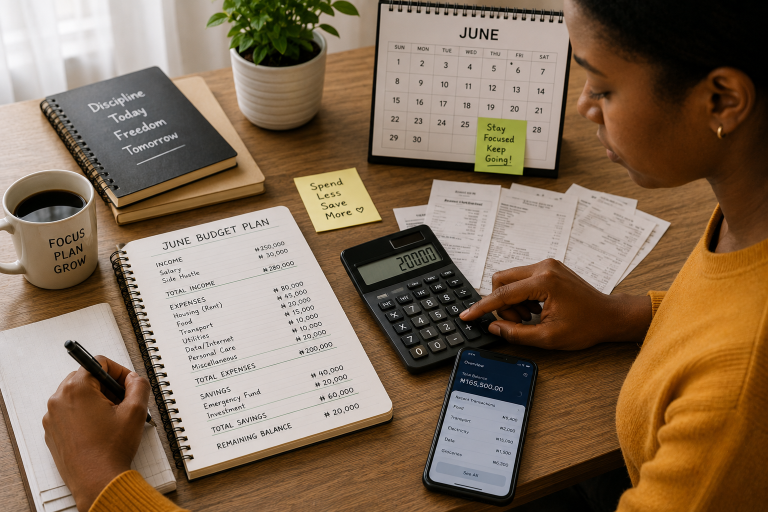

Let’s be honest from the start. Not everyone enjoys numbers. Some people freeze the moment they hear words like budget, spreadsheet, or calculations. If that sounds like you, you are not alone. Many smart, hardworking people struggle with money not because they don’t earn enough, but because numbers feel confusing, boring, or even scary. The good news is that you do not need to love numbers to organize your finances. You only need a few simple habits, a clear mindset, and systems that work quietly in the background.
This article is written for real people. People who want peace of mind, not complicated formulas. People who want to organize their finances without feeling like they’re back in a math class they hated. Think of this as a calm conversation, not a financial lecture.
Why Organizing Your Finances Feels Hard When You Hate Numbers
If you hate numbers, it’s often because of past experiences. Maybe school made math feel stressful. Maybe someone once embarrassed you for not understanding figures quickly. Over time, your brain learned to avoid anything that looks like calculations. Unfortunately, money comes with numbers, so avoidance becomes the default reaction.
When you avoid your finances, small problems quietly grow. Bills sneak up on you. Money disappears without explanation. You feel anxious checking your balance. This cycle doesn’t mean you’re irresponsible. It just means your system doesn’t match your personality.
Organizing your finances is not about becoming good at math. It’s about creating clarity. And clarity can be visual, emotional, and simple.
Redefining What It Means to Organize Your Finances
Many people think organizing finances means tracking every coin or knowing exact figures at all times. That belief alone scares people away. In reality, to organize your finances means knowing where your money roughly goes, having control over your main expenses, and feeling confident about your decisions.
You don’t need perfection. You need awareness.
When you organize your finances properly, money stops feeling like an enemy. It becomes a tool. A quiet helper instead of a loud source of stress.
Starting With Feelings Instead of Figures
If numbers overwhelm you, start with feelings. Ask yourself simple questions. Do I feel stressed when bills are due? Do I avoid checking my account? Do I feel guilty after spending? These emotional signals tell you where things are not working.
Organizing your finances begins when you decide you want less stress and more calm. That decision matters more than any calculation.
Once you understand how money makes you feel, it becomes easier to change your relationship with it.
Simplifying Your Money Life
One major reason finances feel overwhelming is complexity. Too many accounts, too many payment methods, too many subscriptions, and too many unplanned expenses. Simplifying is one of the easiest ways to organize your finances without touching numbers much.
When your money life is simple, you think less about it. Fewer decisions. Fewer mistakes. Less stress.
This might mean using fewer bank accounts, reducing unnecessary spending habits, or choosing automatic payments where possible. Automation is your best friend if you hate numbers. It works quietly while you live your life.
Seeing Money as Flow, Not Math
Instead of seeing money as figures, see it as flow. Money comes in, money goes out. Your goal is to make sure more peace flows into your life than stress.
Think in categories rather than exact amounts. Money for food. Money for transport. Money for savings. Money for enjoyment. You don’t need to know the exact figures daily. You only need to know if one area is constantly draining you.
This mindset helps you organize your finances naturally. You start noticing patterns without calculations.
Creating a Money Routine That Feels Human
People who hate numbers often fail with traditional budgeting because it feels strict and technical. What works better is a simple money routine. A routine is something you do regularly without thinking too much.
For example, checking your balance once a week instead of every day. Setting one day a month to review bills. Saving a small amount immediately when income arrives. These habits organize your finances gradually.
Consistency beats complexity. Always.
Why Visual Tools Work Better Than Spreadsheets
If numbers stress you, visual tools are powerful. Visuals reduce mental effort. They show instead of explain.
Using apps that display spending in charts, colors, or simple summaries can help you organize your finances without calculation. Even writing expenses in plain words in a notebook can work. Seeing “transport” repeated often may tell you more than seeing a number.
Your brain prefers stories and images. Use that to your advantage.
Letting Systems Do the Hard Work
One secret to organizing your finances is removing decision fatigue. The fewer decisions you make, the easier things become.
Automatic savings, bill reminders, and standing orders help you stay organized without effort. Once set up, these systems work for you. You don’t need to think about numbers daily. You only check occasionally to confirm things are running smoothly.
This approach is especially helpful if you already feel mentally tired from work or life.
Learning Just Enough About Money
You don’t need to become a finance expert. You only need to understand basic ideas. Knowing the difference between needs and wants, understanding how debt grows, and knowing why saving matters is enough to organize your finances better than most people.
When learning about money, choose simple explanations. Avoid content that makes you feel small or confused. Money education should empower, not intimidate.
Over time, confidence grows naturally.
Dealing With Guilt and Shame Around Money
Many people who hate numbers also carry shame about money. They feel they should be better by now. They compare themselves to others. This emotional weight makes organizing finances harder.
Here’s the truth. Shame blocks progress. Compassion opens it.
You are allowed to learn at your pace. You are allowed to make mistakes. Organizing your finances is not a moral test. It is a life skill.
When you release shame, you free mental space to make better choices.
Making Peace With Small Steps
You don’t need to fix everything at once. Trying to do too much can make you quit. Small steps build momentum.
Saving a small amount consistently is better than saving nothing while waiting for the “right time.” Tracking spending for a short period is better than avoiding it forever. Organizing your finances is a journey, not a one-day event.
Every small action counts.
How Organized Finances Improve Your Whole Life
When your finances are organized, even roughly, your mind feels lighter. You sleep better. You argue less about money. You make decisions with more confidence. Money stops controlling your emotions.
You may notice improvements in other areas of life too. Better focus at work. More patience with family. Clearer goals for the future.
This is why organizing your finances is not just about money. It’s about peace.
Letting Go of the Need to Be Perfect
Perfection is the enemy of progress. Many people delay organizing their finances because they want everything to be perfect. Perfect plans rarely happen. Real life is messy.
An imperfect system you actually use is better than a perfect one you avoid.
Accept that there will be unexpected expenses. Accept that some months will be harder than others. What matters is that you keep going.
Building Confidence Over Time
Confidence does not come from understanding every number. It comes from experience. Each time you make a conscious money decision, you build trust in yourself.
As you organize your finances consistently, you’ll realize you’re more capable than you thought. The fear fades. The stress reduces. Numbers become less intimidating.
Eventually, you may even tolerate them.
Final Thoughts
You do not need to change who you are to manage money well. You only need systems that respect how your mind works. If you hate numbers, that’s okay. Organizing your finances is still possible.
Start simple. Focus on clarity, not calculations. Use visuals, routines, and automation. Be kind to yourself as you learn.
Money management should support your life, not overwhelm it.